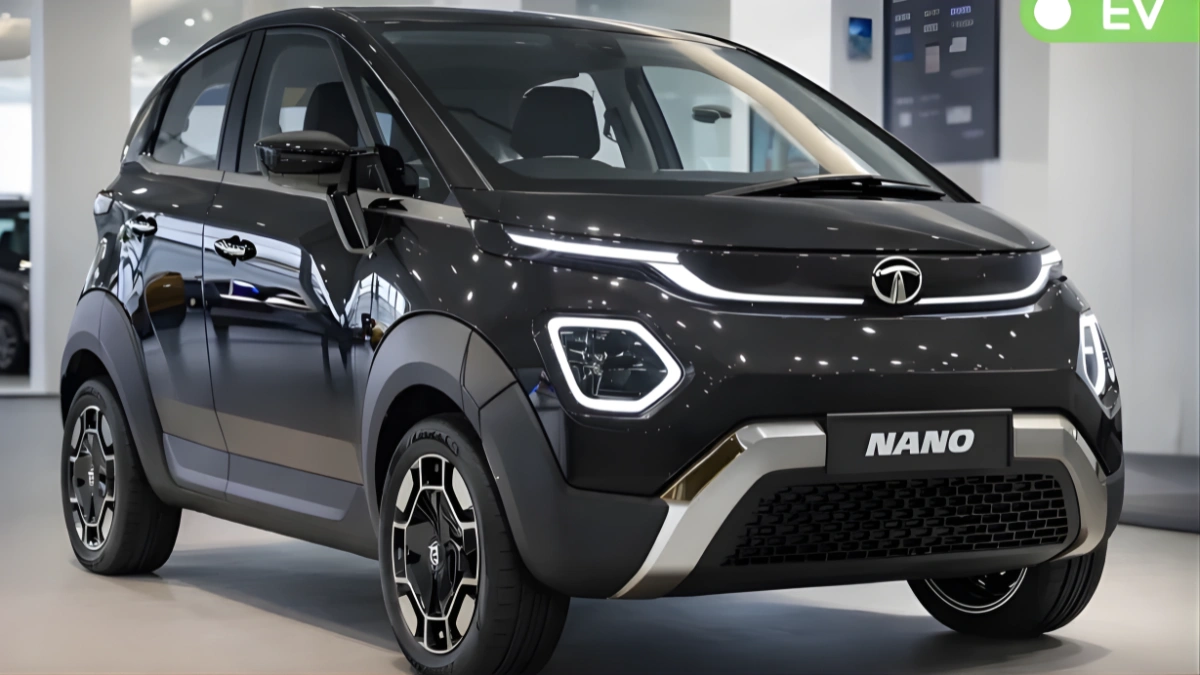
India’s electric vehicle discussion is once again focusing on the possibility of a Tata Nano EV designed for budget-conscious families. Reports and online discussions suggest that an electric version of the iconic small car could offer an impressive driving range close to 421 kilometers along with a top speed around 120 km/h. With conversations around a possible ₹75,000 down payment option, the concept has attracted attention from buyers who want a low-cost entry into electric mobility without sacrificing practicality.
Why Budget Families Are Interested
For many middle and lower-income households, the cost of purchasing a new car remains a major challenge. The original Nano was designed to address this problem by offering one of the most affordable cars in the country. An electric version could potentially carry forward the same philosophy by combining compact size, low running costs, and simple design that suits daily city commuting.
Expected Electric Powertrain and Range
The biggest talking point surrounding the Nano EV concept is its claimed long driving range. If the car were to deliver a range near 421 kilometers, it would place the vehicle among the stronger performers in the affordable EV category. Such a range would allow drivers to travel several days without charging in typical city conditions. The expected top speed of around 120 km/h would also make the vehicle capable of highway travel when required.
| Category | Expected Details |
|---|---|
| Vehicle Type | Electric Hatchback |
| Estimated Price | ₹5 lakh – ₹7 lakh (expected range) |
| Expected Range | Up to 421 km |
| Top Speed | Around 120 km/h |
| Down Payment Discussion | Around ₹75,000 (depending on finance plan) |
| Target Buyers | Budget families and first-time EV buyers |
Compact Design with Practical Interior
The Nano has always been known for its small footprint, making it ideal for crowded city roads and tight parking spaces. The electric version would likely retain this compact design while introducing updated styling elements and improved interior materials. A simple but practical cabin layout could provide comfortable seating for small families while maintaining the lightweight structure that supports better efficiency.
Lower Running Costs and Charging Benefits
One of the strongest advantages of a potential Nano EV would be its low operating cost. Charging an electric car is generally cheaper than fueling a petrol vehicle for the same distance. With the option of home charging, owners could recharge the battery overnight and reduce daily transportation expenses significantly. This factor alone could make the Nano EV particularly attractive to budget buyers.
Potential Impact on India’s EV Market
If Tata were to introduce an affordable electric version of the Nano, it could accelerate EV adoption among first-time car buyers. A low entry cost combined with long driving range and minimal running expenses could attract customers who previously considered electric vehicles too expensive. The model could also strengthen India’s shift toward cleaner transportation in urban areas.
Conclusion: The idea of a Tata Nano EV with long range and affordable entry cost has captured attention because it represents the possibility of truly accessible electric mobility. If such a vehicle becomes reality with competitive pricing and reliable performance, it could become an appealing option for budget-conscious families.
Disclaimer: The information in this article is based on discussions, early expectations, and speculative reports regarding a potential Tata Nano EV. Official specifications, pricing, range figures, and financing options have not been confirmed by the manufacturer. Buyers should rely on verified announcements from the company before making any purchasing decisions.